
Intermediate track
IntermediateLesson 15

What “risk” really measures

What “risk” really measures

In finance, risk usually means how much returns bounce around — the size of the swings.

In short

The most common risk number is volatility: how widely returns swing around their average. Bigger swings mean a bumpier, less certain ride.

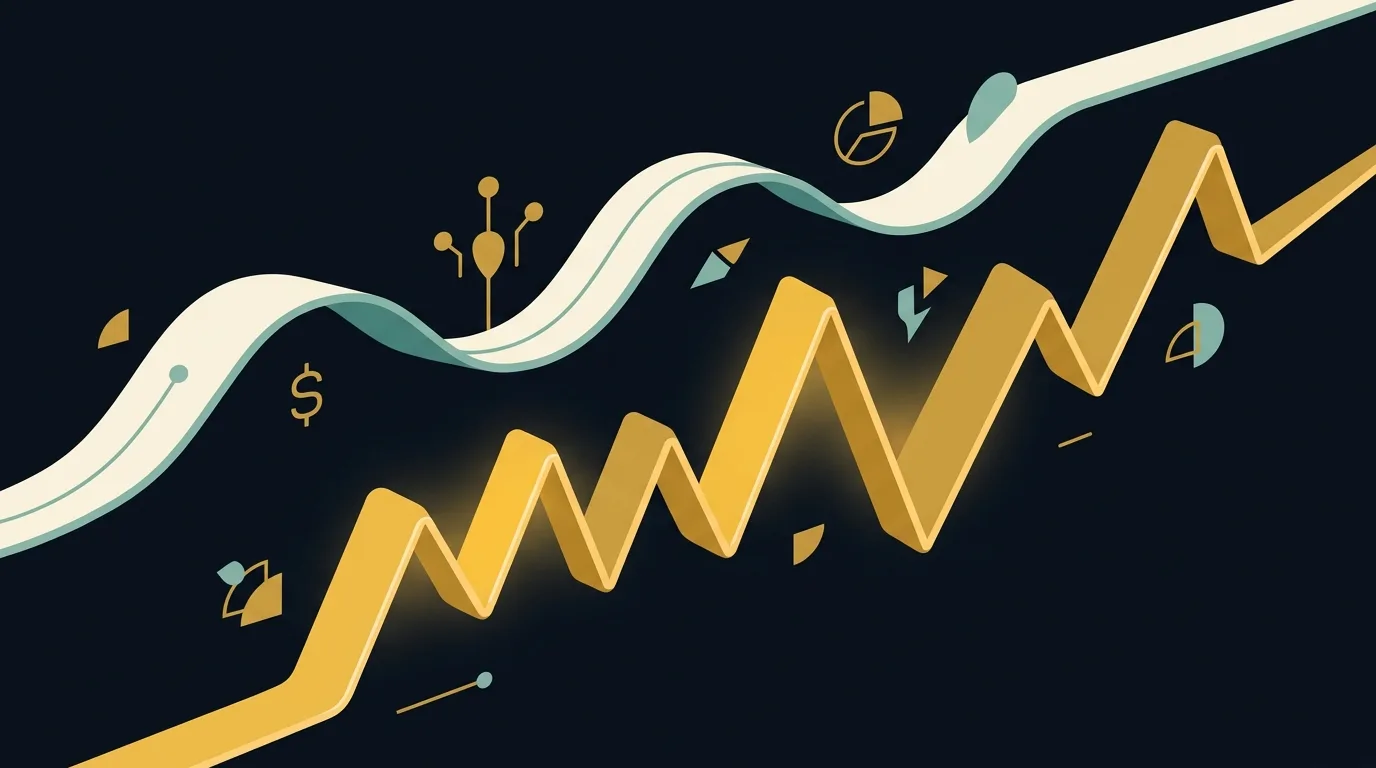
Two investments can earn the same average return. One inches up steadily; the other lurches up and down. The second is riskier, even though the average matches.

Modern investing started treating risk as the spread of returns — measured by variance, or its square root — back in the 1950s.[1]

calmwild
Same destination, very different rides. The wild line carries more risk.

Two drives to work both take 30 minutes on average. One is always 28–32 minutes; the other swings from 10 to 60. You’d trust the steady one to catch a flight.

Volatility isn’t the whole story — it treats big gains and big losses the same. But it’s a fast, honest way to compare how bumpy two things are.

Where these numbers come from

Finisdom measures volatility from the real daily price history of what you own, then shows it as a single “how bumpy” number.

Check your understanding

Two funds share the same average return. What usually makes one “riskier”?

Sources & further reading

  1. 1.Harry Markowitz (1952) Portfolio Selection — The Journal of FinanceThe paper that defined risk as the variance of returns and launched modern portfolio theory.

Related

Tripped up by a word? Look it up in the glossary.

Learning only — not investment advice.